
Advanced Heart Failure
Medicines, monitoring and device options for heart failure that is getting harder to manage.

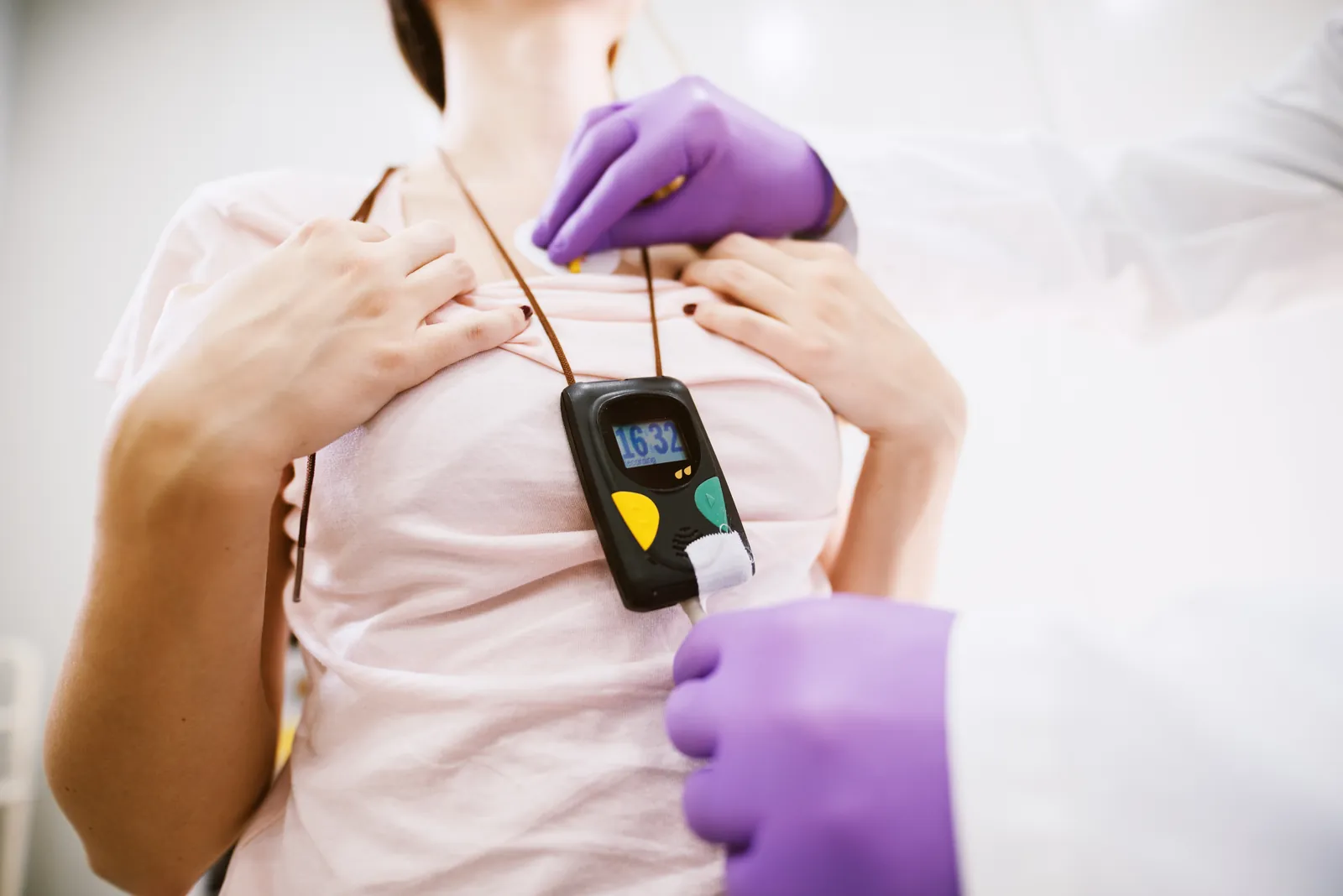
For some people with heart failure, medicines alone are not enough. Small implanted devices can help by watching pressures inside the body or by gently changing how the heart and nervous system work.
Dr. Agrawal helps you decide whether a device fits your situation, coordinates the procedure with the implanting team and follows the device and your symptoms afterward.
A small sensor placed in the lung artery during a short procedure. You take a reading at home each day and the pressure is sent to our office, so medicines can be adjusted before symptoms get worse.
A device placed under the skin near the collarbone with a lead on a neck artery. It sends signals that help calm the stress response that strains a failing heart.
A device similar to a pacemaker that sends carefully timed signals to strengthen heart muscle contraction in selected patients.
Devices that protect against dangerous rhythms or a slow heartbeat. Device data is reviewed as part of your heart failure care.
Regular checks of device readings and settings, along with your symptoms and medicines.
Bring your device identification card and any recent device reports to every visit.
New patient informationIt depends on your type of heart failure, your symptoms on medicines and recent test results. Dr. Agrawal will review whether any device fits.
No. Devices are placed at the hospital by the implanting team. Follow up and monitoring are part of your care with Dr. Agrawal.
Yes. These devices work alongside heart failure medicines, not in place of them.
Medicines, monitoring and device options for heart failure that is getting harder to manage.

Care for diseases of the heart muscle, including inherited forms.

Echocardiography, stress testing, ECG and Holter monitoring.