
Cardiomyopathy
Care for diseases of the heart muscle, including inherited forms.


Heart failure means the heart muscle cannot pump or fill as well as the body needs. It is a long term condition. In the advanced stage, symptoms can show up with everyday activity or even at rest, and hospital stays become more common.
Dr. Agrawal completed fellowship training in advanced heart failure and transplant cardiology at Scripps Clinic. Her practice is built around this stage of the disease, from fine tuning medicines to deciding when a device, an LVAD or a transplant evaluation makes sense.
Your history, medicines, past echocardiograms and hospital records are reviewed before a plan is made.
Heart failure medicines work best at specific doses. They are adjusted step by step and checked with labs and blood pressure readings.
For selected patients, the CardioMEMS sensor sends lung artery pressure readings from home so changes can be caught early.
Barostim and cardiac contractility modulation are options for some patients who still have symptoms on medicines.
When needed, Dr. Agrawal coordinates referral to LVAD and transplant centers and stays involved in your care.
Bring a list of every medicine you take, recent test results and any hospital discharge papers. Plan for a longer first visit so there is time to go through your history together.
New patient informationNo. A heart attack happens when blood flow to part of the heart is blocked. Heart failure means the heart is not pumping or filling well. A past heart attack is one of several causes of heart failure.
For many people, yes. With the right medicines, diet changes and close follow up, symptoms often ease and the heart's pumping can improve.
Some insurance plans require one. Call our office with your plan name and we will tell you what is needed before your visit.
Care for diseases of the heart muscle, including inherited forms.
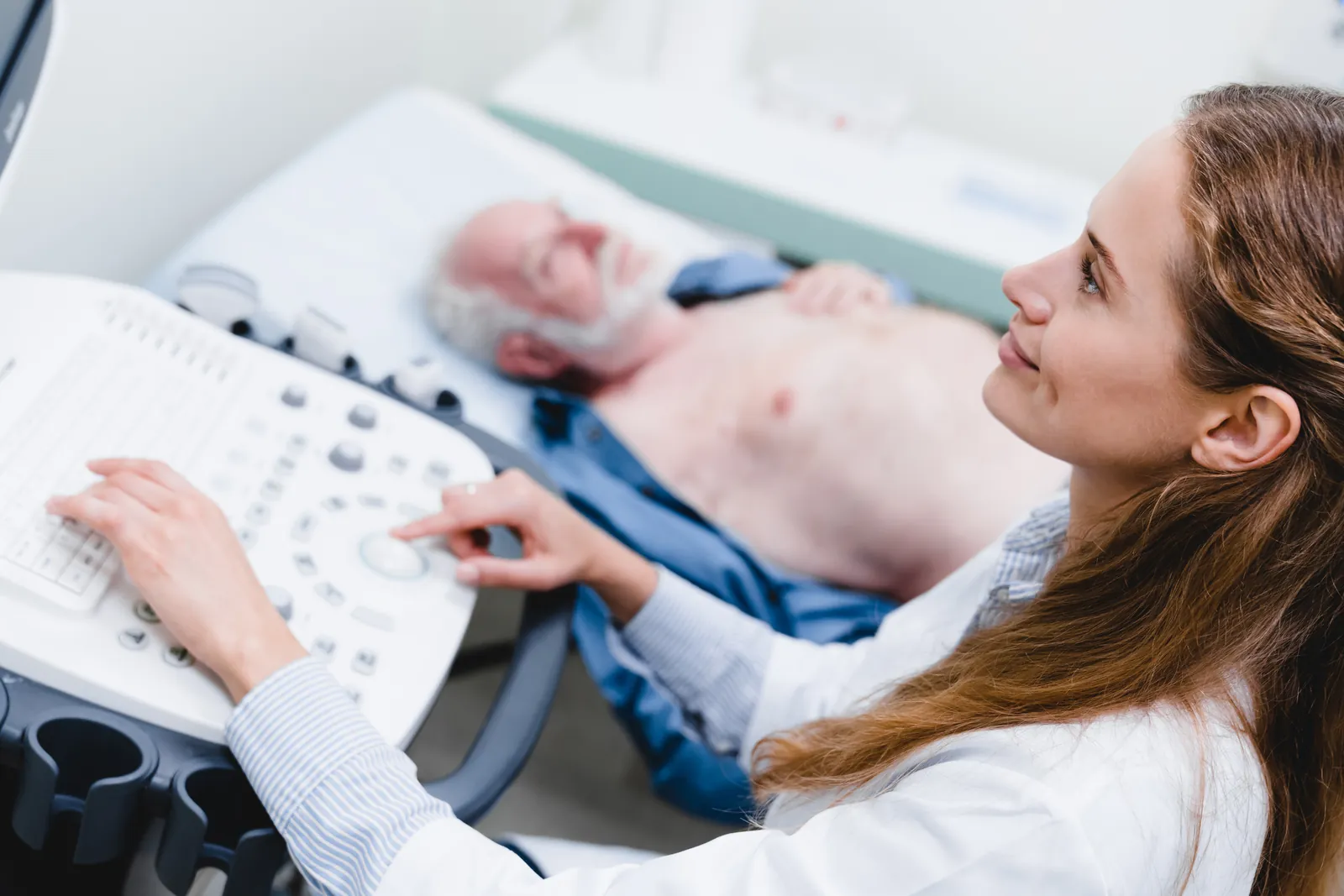
Testing and treatment when abnormal proteins build up in the heart muscle.
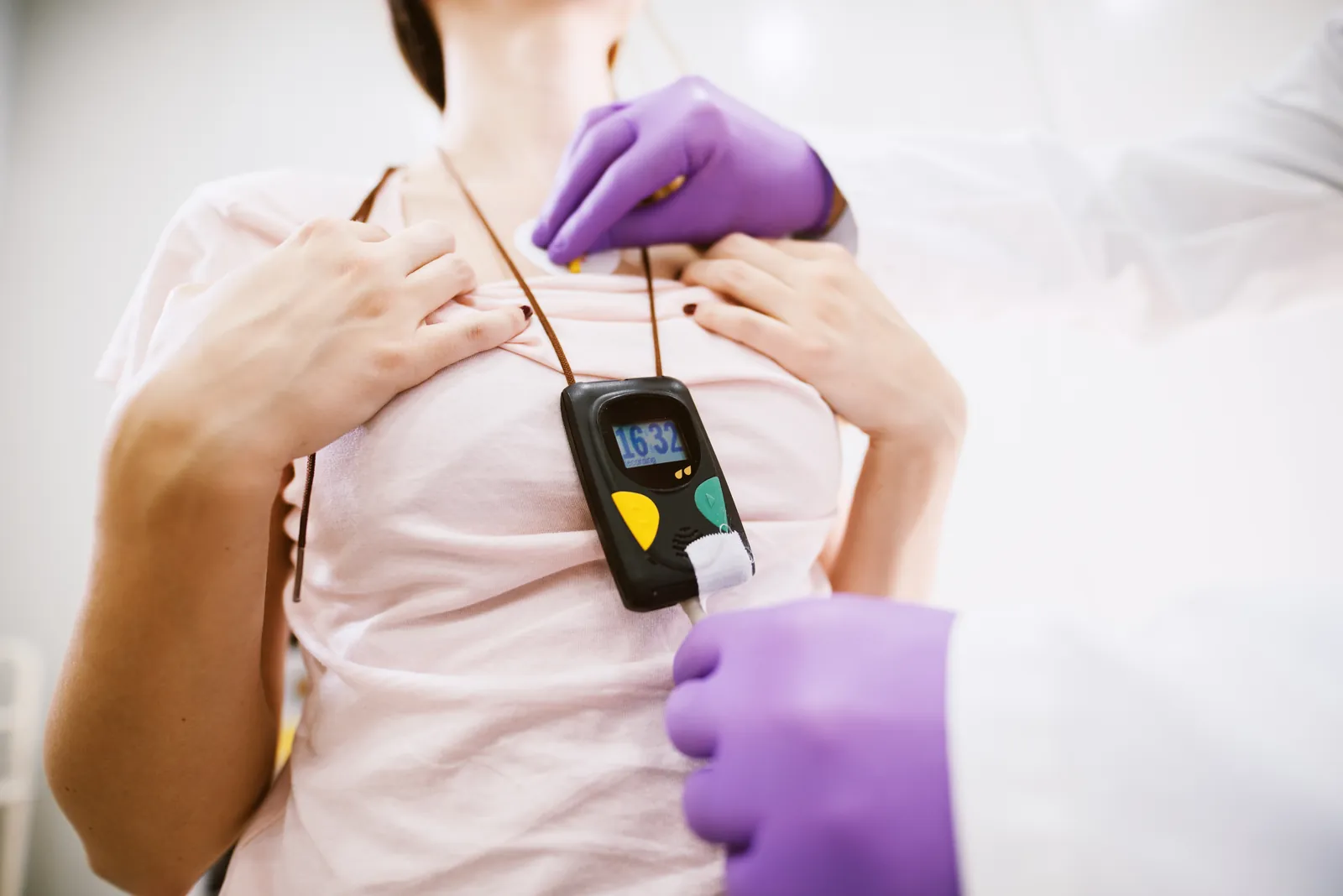
CardioMEMS, Barostim, CCM and device follow up.